What is Music Streetwear? A Complete Guide
Music streetwear is more than band tees. It is a culture where sound meets fabric. Here is what it means and how to wear it.
TL;DR
- —Music streetwear is design-first clothing inspired by scenes, not just band logos or hype branding
- —Every major streetwear shift traces back to a music movement — punk, hip-hop, rave, techno
- —Heavyweight cotton 200-240 g/m² holds shape, drapes better, and makes prints last
- —Style it simply: one statement graphic tee, dark basics, minimal accessories
- —The future favors niche references and real cultural meaning over logo-driven hype

Walk through any city and you'll see it. Someone in a faded band tee, cargo pants, and sneakers that cost more than their rent. Someone else in a hoodie with a tiny graphic on the chest that references a record label most people have never heard of. This is music streetwear. It's not just clothes. It's a conversation starter, a signal, a way of telling the world what you listen to without saying a word.
But what actually defines music streetwear? How is it different from band merch, or from the hype-driven streetwear that took over fashion in the 2010s? And why does the weight of the cotton in your t-shirt actually matter? Let's break it down.
Music Streetwear vs Band Merch vs Mainstream Fashion
These three categories overlap, but they're not the same thing.
Band merch is straightforward. You go to a show, you buy a t-shirt with the band's name and tour dates on the back. It's a souvenir. The quality varies wildly. Some bands print on decent blanks. Most print on the cheapest Gildan tee they can find because margins matter when you're touring in a van. Band merch is about loyalty and memory. The design is secondary to the name on the front.
Mainstream streetwear is the Supreme model. Limited drops, hype cycles, logos as status symbols. The connection to any actual subculture is thin at best. It's fashion as a commodity, driven by resale value and Instagram clout. The clothes reference skate culture, hip-hop, and punk, but the references are surface-level. You're buying the logo, not the culture behind it.
Music streetwear sits in between. It takes the cultural depth of music scenes and translates it into clothing that stands on its own as a design object. The graphic on the shirt isn't a band name. It might be an abstract visual inspired by the texture of a techno kick drum, or a typographic piece built from a classic house music lyric. The reference is there for people who know, but the shirt works even if you don't catch it. That's the difference. Music streetwear doesn't need you to recognize the reference. It just rewards you if you do.
How Music Culture Shapes What We Wear
Every major shift in street fashion traces back to a music scene. The connection is direct and well-documented.
In the 1970s, punk bands in London and New York started printing their own t-shirts because no one else would. The Ramones logo tee, designed by Arturo Vega, became one of the most recognizable pieces of clothing in the world. It wasn't designed as fashion. It was designed as identity. That's the origin story of the graphic tee as we know it.
The 1980s brought hip-hop into the conversation. Run-DMC made Adidas shell toes and tracksuits into a uniform. They didn't just wear the clothes. They wrote a song about them. "My Adidas" wasn't product placement. It was genuine cultural expression that happened to reshape an entire industry's understanding of street fashion.
The 1990s rave scene added a different layer. Baggy pants, oversized tees, and functional accessories came from a practical need. You needed clothes you could dance in for eight hours. The aesthetic that emerged was accidental but lasting. It's why cargo pants and loose silhouettes keep cycling back into fashion every few years. The rave scene planted that seed. Today, that same functional mindset shapes guides like how to dress for techno.
By the 2010s, streetwear had become big business. Supreme sold to VF Corporation. Virgil Abloh brought streetwear to Louis Vuitton. The lines between subculture and luxury collapsed. But something got lost in the process. The clothes stopped referencing anything real. They referenced other clothes. Music streetwear is, in part, a reaction against that emptiness. It's an attempt to put meaning back into the graphics on your chest.
Why Heavyweight Cotton Matters
If you've ever bought a cheap band tee and watched it fall apart after five washes, you already understand this intuitively. The weight of the fabric changes everything about how a t-shirt looks, feels, and lasts.
Standard t-shirts run around 120-150 g/m². They're fine for promotional giveaways and gym wear. But they're thin. They lose shape after a few washes. The collar stretches. The fabric gets that puckered, wavy texture around the seams. And if you put a graphic on them, the print is the only thing holding the shirt together visually.
Heavyweight cotton starts at 200 g/m² and goes up from there. At 240 g/m², you're getting a shirt with real structure. It drapes cleanly. It holds its shape through repeated washing. The fabric has a density that makes prints look better because the surface is more stable. The shirt feels substantial when you put it on. It's the difference between something you wear three times and something you keep for years.
This matters especially for graphic tees. A detailed print on thin fabric looks cheap no matter how good the design is. The same print on heavyweight cotton looks intentional. The fabric and the graphic work together instead of fighting each other. Getting the fabric right is only half the job — caring for your graphic tees is what keeps them looking sharp.
How to Style Music Streetwear
The best music streetwear outfits don't look like you tried too hard. The goal is to look like you have good taste, not like you spent an hour in front of the mirror.
Start with a graphic tee from a music-inspired collection as the centerpiece. Let the shirt do the work. Build around it with simple, well-fitting basics. Black or dark wash denim. Clean sneakers. A plain hoodie or bomber jacket if you need a layer. The graphic is the statement. Everything else is support.
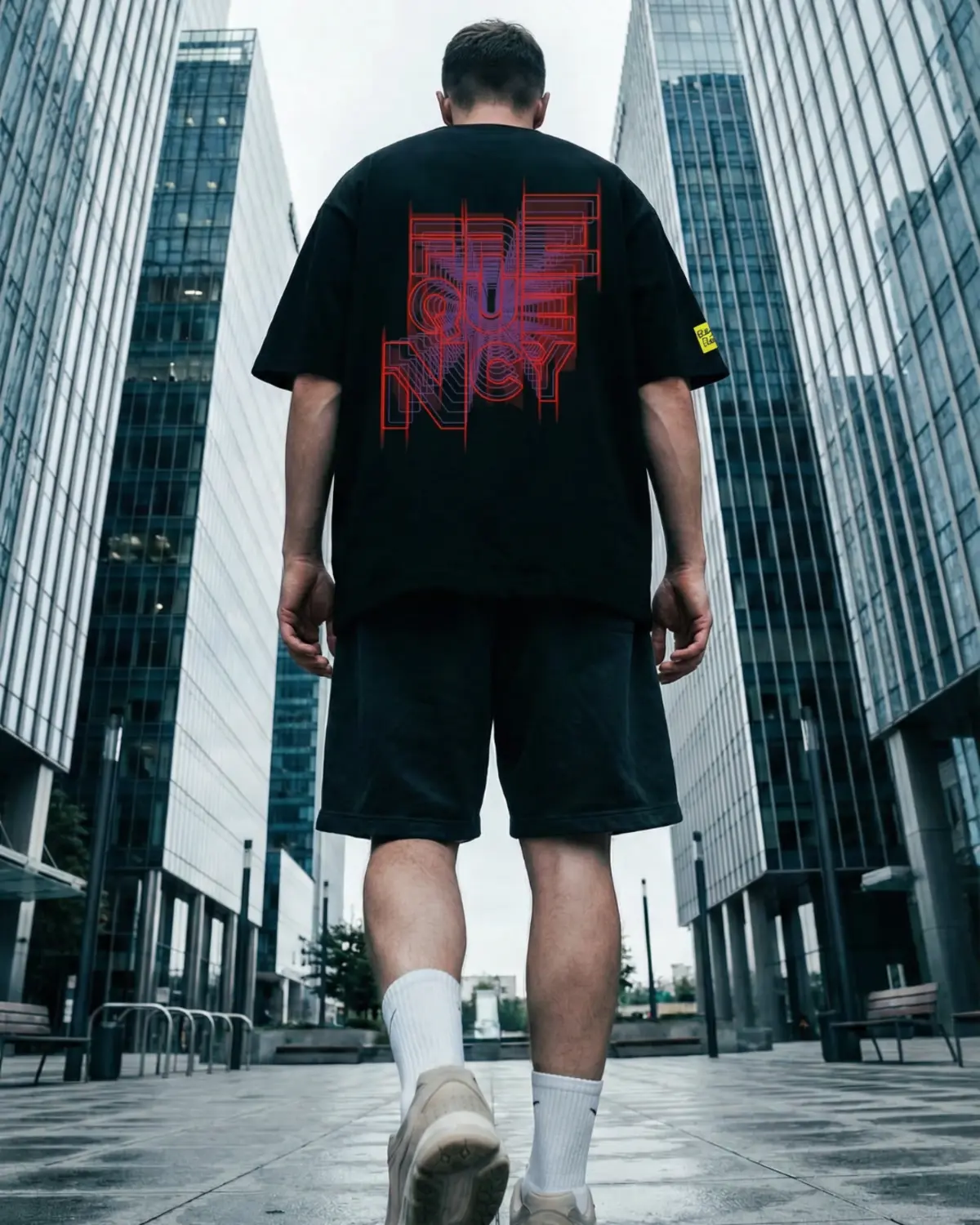
For a more put-together look, try layering a graphic tee under an open overshirt or a lightweight jacket. The graphic peeks through and adds visual interest without screaming. This works especially well with tees that have smaller chest prints rather than full-back graphics.
Accessories should be minimal. A snapback or beanie in a neutral color. A simple chain if that's your thing. The clothes should reference music culture without turning you into a walking billboard for it.
Color palette matters too. Music streetwear tends toward darker tones. Black, charcoal, olive, navy, burgundy. These colors photograph well, age well, and pair easily with each other. A black graphic tee with dark jeans and black sneakers is a complete outfit that works almost anywhere.

The Future of Music Streetwear
We're in an interesting moment. The hype-driven streetwear model is fading. People are tired of paying resale prices for hoodies with a logo on them. At the same time, music culture is more fragmented than ever. There's no single dominant scene the way grunge or hip-hop dominated in past decades. Instead, there are hundreds of micro-scenes, each with its own visual language.
This fragmentation is actually good for music streetwear. It means there's room for designs that reference specific sounds, specific moments, specific feelings. A t-shirt inspired by a 3 AM warehouse set in Warsaw. A hoodie that captures the energy of a drum machine pattern. These are niche references, but the people who get them really get them. And the clothes work as design objects even for people who don't.
That's the sweet spot. Clothes that mean something to the people who understand the reference, and look good to everyone else. That's what music streetwear is supposed to be.
FAQ
What's the difference between a band tee and a music streetwear tee?
A band tee promotes a specific artist or tour. It's merchandise. A music streetwear tee is inspired by music culture but stands on its own as a design. It might reference a genre, a scene, or a feeling without naming a specific band. The design works whether or not you catch the reference.
Why does cotton weight matter for graphic tees?
Heavier cotton (200-240 g/m²) holds its shape better, drapes more cleanly, and provides a more stable surface for prints. Lightweight cotton (120-150 g/m²) stretches, loses shape, and makes prints look cheap. A good graphic on bad fabric is still a bad shirt. The fabric and the print need to work together.
How do I style a graphic tee without looking like a teenager?
Keep the rest of the outfit simple and well-fitted. Dark jeans or trousers, clean sneakers or boots, and a plain jacket or overshirt if you need a layer. Let the graphic be the only statement piece. Avoid pairing a loud graphic tee with loud pants or busy sneakers. One focal point per outfit.
Is music streetwear just for people who go to shows?
Not at all. The designs reference music culture, but you don't need to be deep in a scene to wear them. Good design works on its own. If a shirt looks good and feels good, that's enough. The musical reference is a bonus for people who catch it, not a requirement for wearing it.